Mental Health After Giving Birth: Understanding Baby Blues, Postpartum Depression and Anxiety
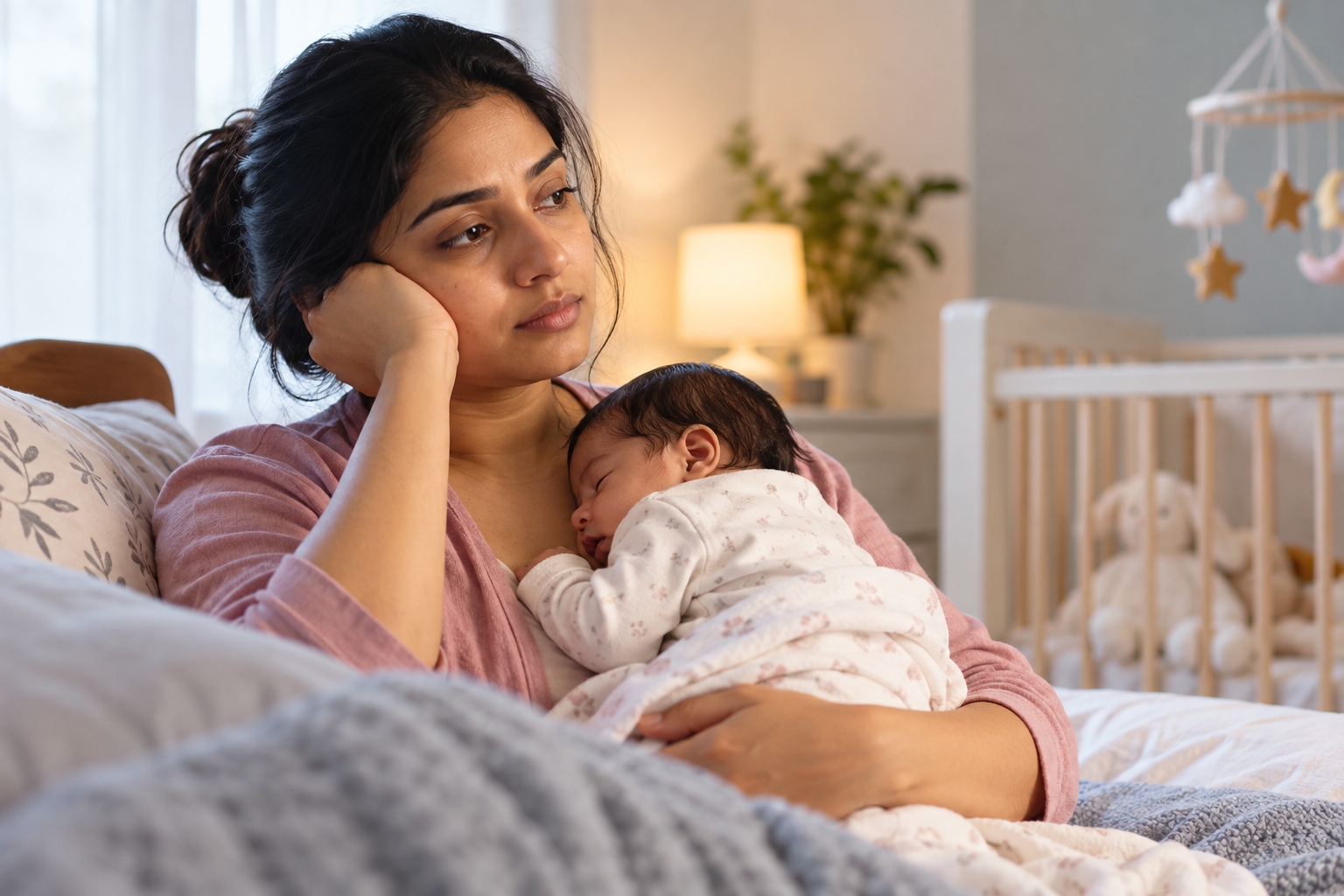
Giving birth is a life-changing event because it brings a major physical and emotional transition. An expectant mother eagerly awaits a child for months. While the baby’s arrival brings happiness and excitement to her, it can also bring exhaustion due to the depletion of nutritional reserves, the pain, the effort, and the physical and emotional challenges that come with childbirth.
In addition to exhaustion, childbirth can also bring uncertainty, mood changes and anxiety. While these emotional changes are common, they should not always be dismissed as a normal part of becoming a mother, because postpartum mental health issues can have far-reaching consequences.
Understanding postpartum mental health can help you and your family recognise your emotional difficulties and enable you to seek additional support.
Baby Blues vs Postpartum Depression: What is the Difference?
While there are numerous postpartum mental health concerns for women, the most common among them are baby blues and postpartum depression.
Baby blues is common during the first days after childbirth; many women experience it. It may involve tearfulness, irritability, mood swings, and an overwhelming feeling. Baby blues is caused by:
- Hormonal changes
- Lack of sleep
- Physical recovery
- Demands of caring for a newborn
Baby blues is short-lived; it generally improves within a short period. However, some women face prolonged, intense, persistent symptoms that interfere with everyday life. This means they suffer from postpartum depression, also known as postnatal depression.
Postpartum depression is a medical condition with far-reaching implications, occurring in the weeks or months following childbirth. It affects a mother’s mood, thoughts, and ability to function, interfering with day-to-day life.
Recognising Postpartum Depression Symptoms
Postpartum depression symptoms are not the same for every mother. It can vary from person to person. Persistent symptoms may include:
- Sadness, emptiness or hopelessness
- Loss of interest in previously enjoyable activities
- Extreme guilt or feelings of inadequacy
- Changes in sleep or appetite
- Excessive tiredness and lack of energy
- Difficulty concentrating or making decisions
- Feeling disconnected from the baby
- Anxiety, fear or feeling overwhelmed
While these symptoms can make life difficult for the mother and her family, they do not mean she is a bad parent. These symptoms should not be confused with a lack of love for the baby or an inability to cope with motherhood. Recognising that is the first step towards getting appropriate support.
Postpartum Anxiety and Other Mental Health Challenges
Postpartum anxiety is another postpartum mental health concern. Symptoms include excessive or persistent worry, racing thoughts, restlessness and fears about the baby’s health or safety, even when the baby is perfectly healthy and safe. Mothers suffering from postpartum anxiety may find it difficult to relax or sleep even when the baby is sleeping.
Other emotional and psychological difficulties, including intrusive thoughts, severe mood changes, and feelings of detachment, can affect mental health after giving birth. These issues should be discussed with a healthcare professional, especially if they persist for weeks or months or affect daily functioning.
Postpartum Psychosis: When Urgent Help Is Needed
While all the above-mentioned postpartum mental health concerns can affect a woman’s quality of life, they are not as serious as postpartum psychosis. Postpartum psychosis is a rare condition that requires immediate medical attention; it is a medical emergency.
Warning signs can include:
- Severe confusion
- Hallucinations
- Delusions
- Extreme agitation
- Behaviour that is significantly different from the person’s usual behaviour
If a mother shows any of these symptoms, seek urgent medical attention immediately.
Final Thoughts: Getting Support for Postpartum Mental Health
Pregnancy and childbirth are extremely taxing for a woman; they leave her weak and exhausted. However, postpartum recovery is not just about physical healing, but also about paying the same attention and care to mental health.
While it is normal to feel emotional after giving birth, postpartum mental health can extend beyond the usual baby blues. Postpartum depression and other serious mental health issues can affect your quality of life and your relationships. So, it is best to seek support before symptoms become severe.
Based on the circumstances, your symptoms and their severity, the healthcare professional may recommend counselling or psychotherapy, practical and emotional support, and medication when clinically appropriate, as part of the treatment for postpartum depression and other postpartum mental health conditions. With timely recognition and appropriate support, you can receive help while continuing to care for yourself and your baby.
If you are experiencing persistent sadness, anxiety or other emotional difficulties after childbirth, the highly experienced obstetricians, doctors, and mental health professionals at Assure Specialty Clinic can support you in addressing those concerns and getting back to a healthy and happy life.
Frequently Asked Questions
Yes. Feeling tearful, irritable or overwhelmed can occur after childbirth, particularly during the early days. These feelings are often called the baby blues. Severe, persistent, or worsening symptoms necessitate consultation with a healthcare professional.
A healthcare professional usually assesses symptoms and recommends a treatment plan that may include psychotherapy or counselling, emotional and practical support, and, when appropriate, medication.
Postpartum depression can occur months after childbirth. Depressive symptoms should not be dismissed because of how much time has passed. Talking with a healthcare professional can help identify the cause and avail appropriate support.
Every woman’s postpartum experience is different, so there is no fixed timeline. Baby blues generally settle quickly, but persistent or worsening emotional symptoms may indicate a mental health condition and should be discussed with a healthcare professional.